UK property recruitment in 2026: regional growth, talent challenges, and how to hire smarter
The UK property recruitment market is expanding beyond London. deverellsmith's National Head of Development and Construction, Aaron Higgins, shares his experience of recruiting across the UK compared to the capital. Discover where opportunities are growing, how specialist recruiters work with clients, and why construction and development careers need better visibility.
 Aaron Higgins
The UK property market has outgrown London
For years, ambitious property professionals followed a familiar path: move to London, build your career, stay in the capital.
Candidates and businesses alike are looking beyond the M25, and with good reason. Manchester, Birmingham, Leeds, Bristol, Edinburgh, and a host of other cities are experiencing sustained investment and development activity that demands skilled professionals on the ground.
Student housing developers are scaling across university cities. Build to Rent operators are establishing significant portfolios in regional centres. Investment companies and asset managers are opening local offices to manage growing portfolios more effectively. Consultancies that once operated exclusively from London are planting flags in the regions to service expanding client bases.
This shift isn't simply about remote working or cost reduction. It reflects a fundamental change in where capital is flowing and where property careers can flourish. For candidates, regional roles often offer competitive salaries alongside a lower cost of living and improved quality of life. For employers, it means accessing talent pools that were previously untapped.
The opportunity spans multiple sectors: purpose-built student accommodation, Build to Rent and the wider rental living sector, logistics and industrial investment, residential development, and commercial real estate. Each is growing outside London, and each needs talented people to drive it forward.
Why construction careers need greater visibility
Ask many graduates or career changers what a job in construction looks like, and they'll picture muddy boots, hard hats, and long hours on site.
That image doesn't reflect reality. The sector offers diverse, intellectually demanding careers in development management, investment, planning, design coordination, sustainability, commercial management, and beyond. These are strategic roles that shape communities and deliver tangible results, yet they remain largely invisible to people making career decisions.
This matters because the UK faces enormous challenges: a housing shortage that shows no sign of easing, net zero targets that require reimagining the built environment, and ageing infrastructure that needs renewal. Solving these problems requires talented professionals. If they don't know these careers exist, they'll go elsewhere.
How to attract the best talent in construction to your business
For professionals, careers in construction and development need to feel attractive. That means demonstrating clear progression pathways, competitive compensation, and work that makes a difference.
But visibility requires more than job adverts. The sector needs senior leaders who are prepared to be its champions, executives who will speak at schools and universities, appear on panels, share their experiences publicly, and show the next generation what a career in the built environment actually looks like.
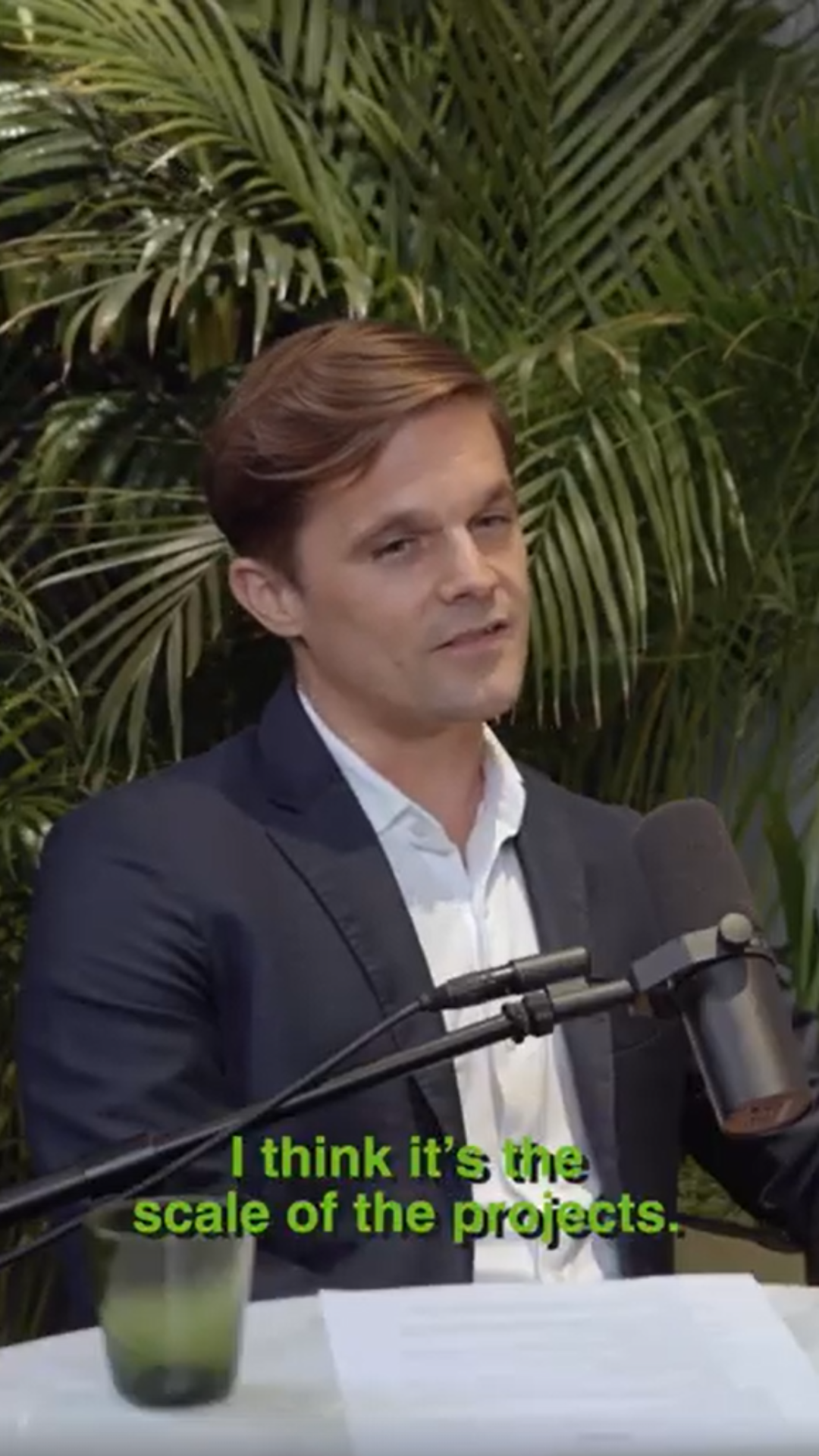
‘I think what we’re getting wrong is the leadership of it... we’re not communicating career paths well and what’s possible for any young person’
Young people make career decisions based on what they can see. If they see relatable professionals thriving in construction and development, they'll consider it. If all they see is hard hats in recruitment campaigns, they won’t understand the depth of opportunity.
How specialist property recruiters work with real estate companies
Different hiring challenges require different approaches. At deverellsmith, we offer three core recruitment solutions, each designed for specific circumstances and outcomes.
- Contingency recruitment
Contingency recruitment operates on a results-based model. We receive your brief, identify suitable candidates, and you pay a fee only when a successful hire is made. This approach suits established roles where the requirements are clear and speed is important. It allows flexibility, while we deliver candidates.
Contingency works well for volume hiring, replacement roles, and positions where the market has a ready supply of qualified candidates.
- Retained executive search
For mid-level to senior appointments, retained search delivers better outcomes. Under this model, we partner with you exclusively for an agreed period, dedicating focused resource to your brief from the outset.
Retained search allows for thorough market mapping, confidential approaches to passive candidates, and a more strategic shortlisting process. Exclusivity benefits both sides: you receive our undivided attention and a consultative approach, while we gain the access and commitment needed to represent your opportunity effectively.
For leadership positions, commercially sensitive hires, or roles requiring discretion, retained search is our recommended approach.
- Bespoke recruitment projects
Some hiring needs don't fit neatly into a single search. Organisations experiencing rapid growth, businesses that have secured investment, or teams requiring complete transformation may need a more comprehensive solution.
In these situations, we design bespoke project solutions around your specific requirements. This might include embedded recruitment support, multiple concurrent searches, assessment centre design, or building entire teams from scratch. We shape the approach around your timelines, budget, and strategic objectives, ensuring you can scale with confidence.
You can watch Aaron talk about these topics in more detail on our YouTube channel here.



While London remains significant, regional markets including Manchester, Birmingham, Leeds, and Bristol are growing rapidly. Sectors like Build to Rent, student housing, and logistics have driven increased recruitment activity across the UK, creating more opportunities outside the capital than ever before.
Most specialist property recruiters offer contingency recruitment (payment on successful hire), retained search (exclusive partnership for senior roles), and bespoke project solutions for large-scale or complex hiring needs. The right model depends on seniority, urgency, and the specific challenges of each role.
Many people hold outdated perceptions of the sector, associating it primarily with on-site manual work. In reality, construction and development offer strategic careers in investment, development management, planning, and sustainability. Greater visibility through industry advocacy, school engagement, and senior leadership voices is needed to change this perception.
The industry needs visible senior leaders who will advocate for careers in the built environment. This means speaking at schools and universities, sharing career stories publicly, and demonstrating the strategic, impactful nature of roles in construction and development. Better storytelling and earlier engagement with young people are essential.
Key growth sectors outside London include Build to Rent and rental living, purpose-built student accommodation, logistics and industrial property, residential development, and regional commercial real estate. Investment in regional cities has increased significantly, creating demand for skilled professionals across these areas

Sign up to devcast...
Whether you’re looking to get hired, or looking to hire then we’ve got
you covered. Never miss an episode.